

South Pacific Travel Guide: Everything You Need to Know About Niue
Choosing a South Pacific island holiday means choosing between some beautiful but very different places, from resort islands with long white beaches to remote atolls you can only reach by boat.
Niue, however, sits in a category of its own. We are one of the world's smallest countries and one of its largest raised coral atolls, just 3½ hours' flight from Auckland – here, we have no crowds, no queues and not a single traffic light. Things are simply the way they used to be.
This South Pacific travel guide covers everything you need to plan a trip to Niue: where we are, how we compare with other islands, how to get here, the best time to visit, what to do, where to stay and what to expect once you arrive.
Where is Niue?
Niue sits in the heart of the South Pacific, in a triangle formed by Tonga, Samoa and the Cook Islands, about 2,400 kilometres north-east of New Zealand. Known as the "Rock of the Pacific", our island is a single raised coral atoll of around 260 square kilometres, with about 1,800 residents, who mostly reside in our capital, Alofi, on the western coast.
Niue is a self-governing nation in free association with New Zealand. Our currency is the New Zealand dollar, English is spoken everywhere, and our own language, Vagahau Niue, is spoken and taught alongside it.
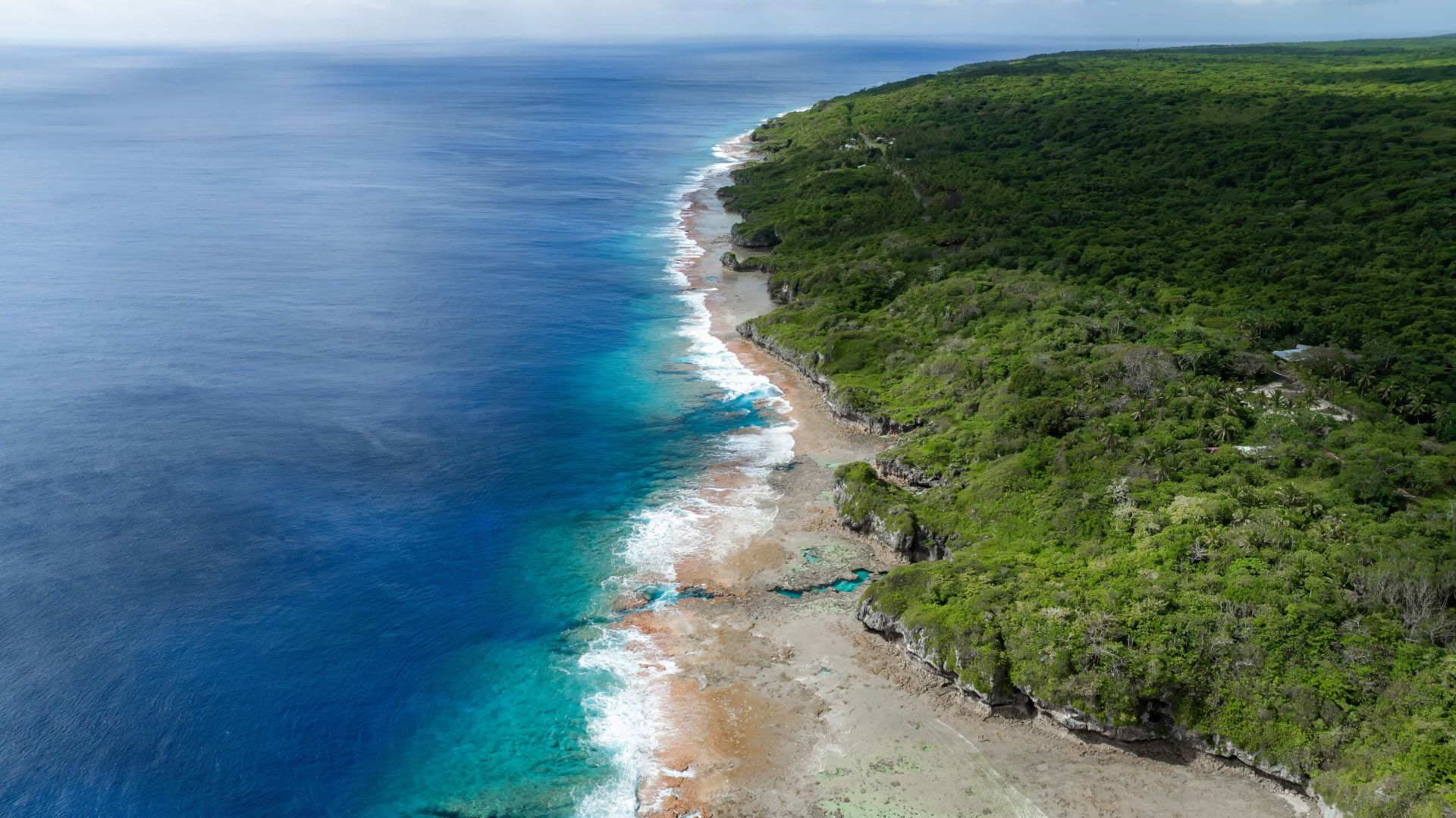
Because Niue is a raised coral island, the landscape is very different from most South Pacific destinations. Instead of lagoons and long white sand beaches, our limestone coast drops quickly into deep ocean and is shaped by incredible caves, chasms and rock pools.
See exactly where everything is on our Niue map.
Why visit Niue?
Niue is a place where it is normal for complete strangers to wave at each other, where the water is clear for up to 80 metres, and where humpback whales visit our shores every year. Here are the reasons visitors tell us they love it:
- Crystal-clear water that is warm all year, with the reef just metres from shore
- Humpback whales you can swim with on a guided experience between July and October
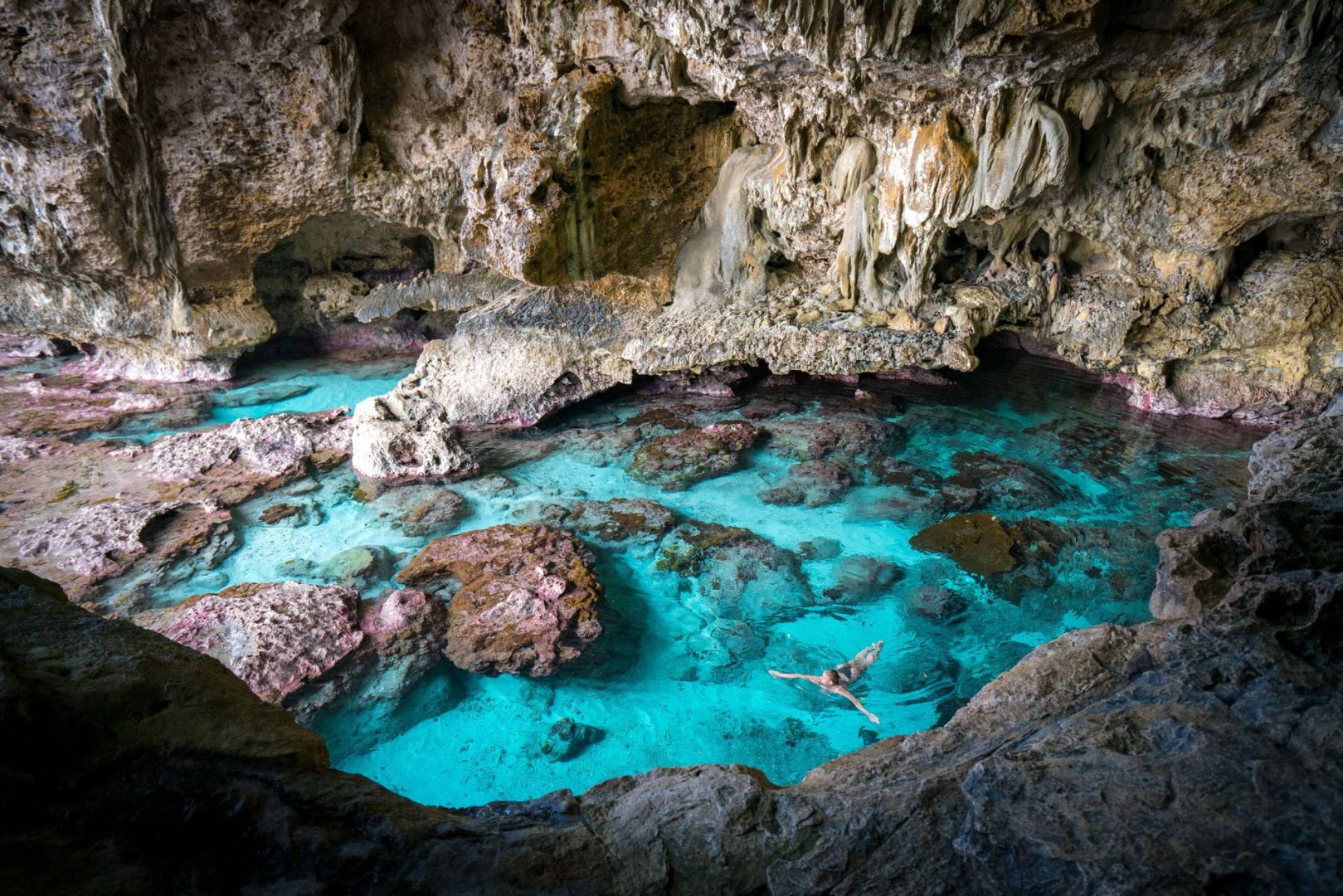
- Sea caves, chasms and hidden coves to explore along more than 40 sea tracks
- Space to yourself, with very few visitors and plenty of secluded spots to relax and enjoy
- A Dark Sky Nation, with night skies that are exceptional for stargazing
- A genuine welcome, where you arrive as a visitor and leave as a friend
Read the full list in Why Visit Niue: Ten Reasons to Visit.
How does Niue compare with other South Pacific islands?
Every South Pacific island offers something different, so the best choice depends on the kind of holiday you’re after and the type of traveller you are. Here is how we compare to other islands:
Fiji offers a wide choice of resorts, white-sand beaches, and island clusters, with options for every budget and plenty of young family facilities. Niue is quieter and more natural, with fewer people, no resort-style crowds and a big focus on outdoor adventures and water-based activities perfect for active family holidays.
The Cook Islands are known for their lagoons, soft sand and easy access from New Zealand. Although Niue has no lagoons, it offers safe reef pools, caves, chasms, clearer water and more natural immersion into local island life.
Tonga is another place where you can swim with humpback whales during the same season. Comparatively, though, Niue is smaller and simpler to get around, and whales often come closer to our shores and trips are in smaller more controlled groups.
Tahiti and French Polynesia are famous for overwater bungalows and luxury resorts, usually at a higher price. Niue is relaxed and unpretentious, with a mix of self-catering stays, guesthouses and one major hotel resort.
Niue is a great fit if you love the ocean, an escape away from crowds, enjoy exploring on your own, or are seeking a trip that feels authentic, a little unique, and genuinely off the beaten path.
How to get to Niue
Niue is easy to reach with Air New Zealand flying non-stop from Auckland in around 3 hours. Flights run once per week on a Saturday (November-March) and twice weekly Saturday and Tuesdays (April-October) – these do fill up quickly, so it is worth planning your dates early, especially if visiting during whale season.
You can search and book flights to Niue directly or find a specialist through our travel partners. Entry requirements depend on your nationality, so check the latest details on our Travelling to Niue page before you book.
Best time to visit Niue
Niue is a year-round destination, with an average water temperature of around 25°C, but the best time to visit depends on what you’d like to do.
- July to October: whale season. Humpback whales visit our waters, and this is when you can swim with them. It is also the drier, cooler part of the year, which many visitors find the most comfortable.
- May to October: the cooler, drier months. Expect lower humidity and plenty of sunshine for diving, snorkelling and walking the sea tracks.
- November to April: the warmer months. Expect higher temperatures and humidity and a bit more rain. This is also the South Pacific cyclone season, so travel insurance and flexible bookings are wise.
Things to do in Niue
Niue is the perfect Pacific Island for people who like to be active, get outdoors and be in the water. Here are a few of the top things to see and do:
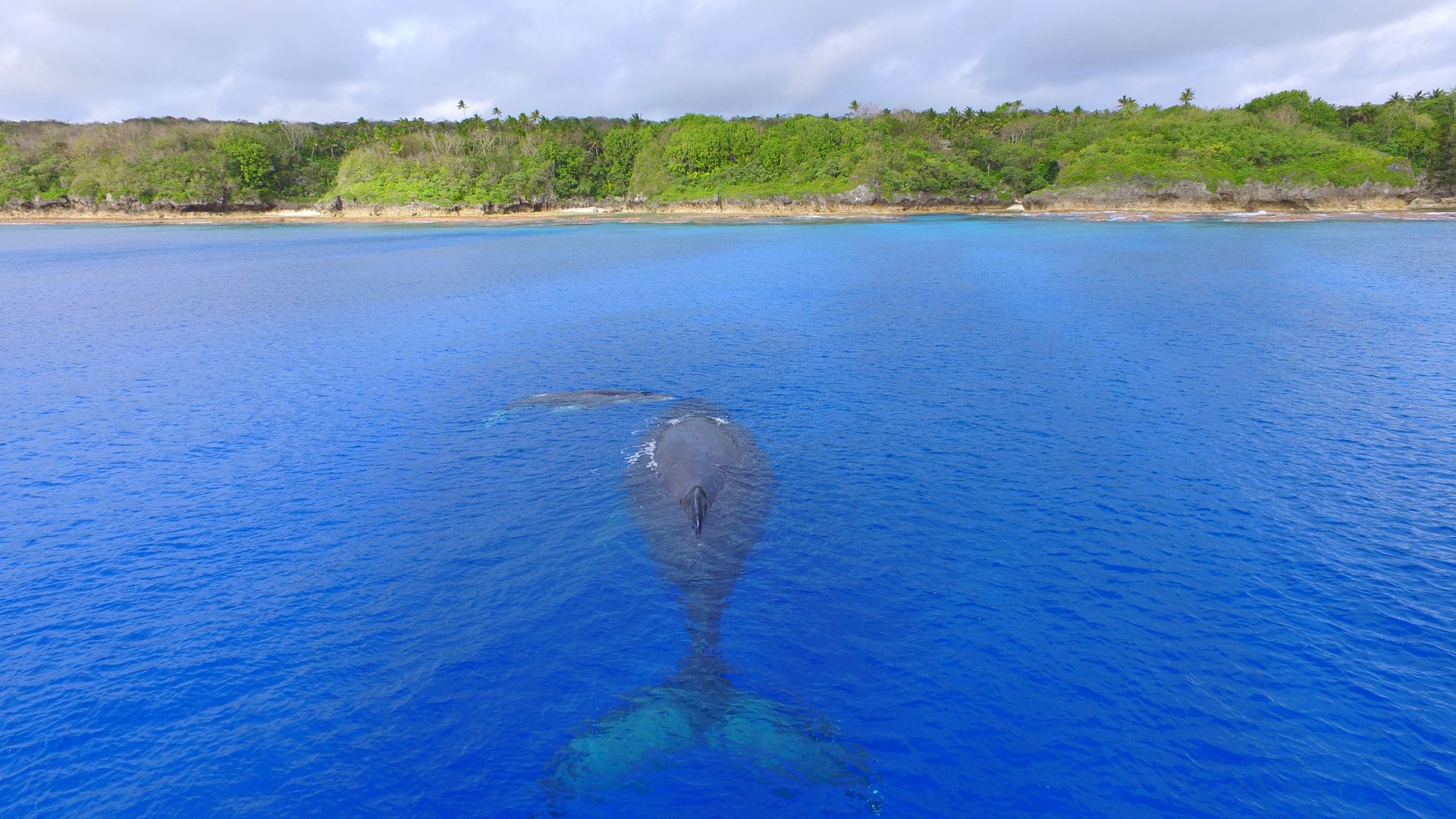
Swim with humpback whales. Between July and October, humpback whales visit our waters, and Niue is one of the few places in the world where you can swim with them, with a certified guide. Learn more about our whale experiences and learn why Niue is the best place to swim with humpback whales.
Dive and snorkel. With up to 80 metres of visibility and reef just metres from shore, snorkelling and diving here is easy and rewarding. Matapa Chasm and Limu Pools are two favourite snorkelling spots, with gin-clear water and natural pools teeming with sea life. Read more about South Pacific diving in Niue and why we offer the best snorkelling holidays in the South Pacific.
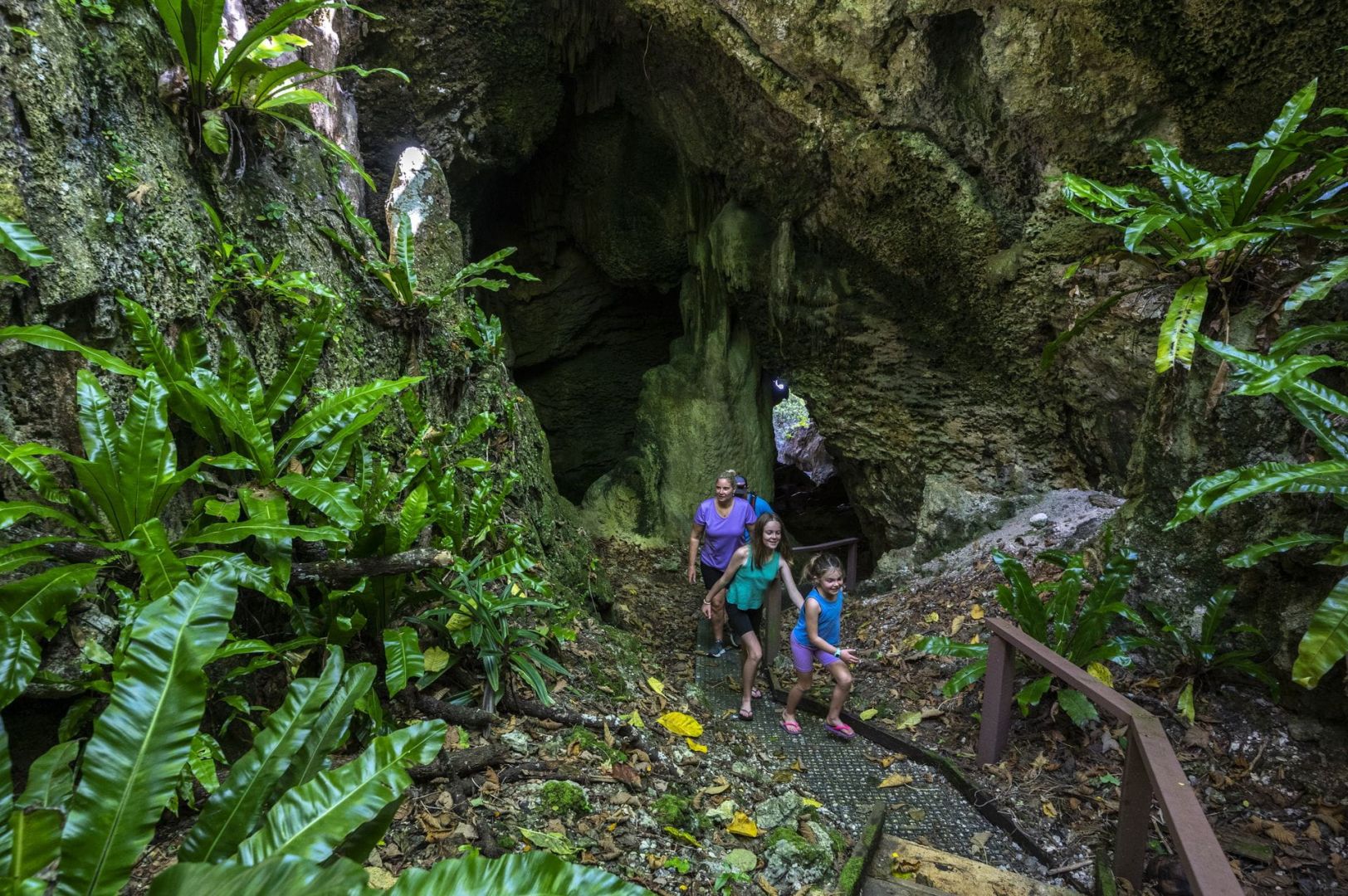
Explore sea tracks, caves and chasms. More than 30 tracks lead to arches, caves, hidden coves and rock pools, including the incredible Talava Arches and Togo Chasm, the island’s only inland beach. See tracks, walks and caves for more information on difficulty and locations.
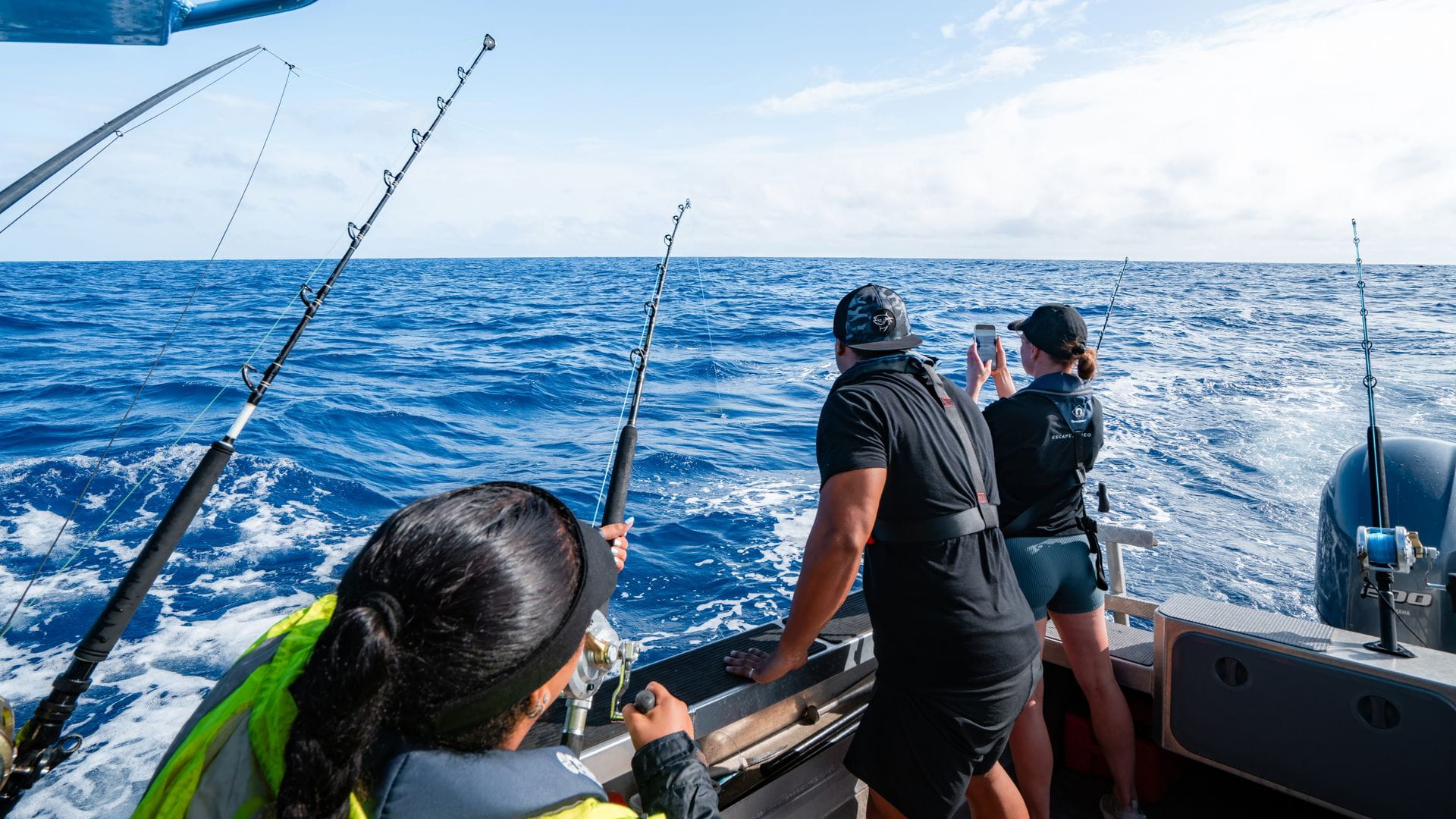
Go fishing. The reef edge is so close to shore that the best fishing in Niue can often be done just 100 metres from shore – no need to spend your charter getting to the prime fishing spot! See our fishing tour operators guide to book your tour or charter.
Take a local tour. All tours in Niue are run by passionate local guides who are full of expert knowledge, much of which has been shared across generations. Visit plantations, a vanilla farm, search for uga (coconut crab) and learn about Niuean culture.
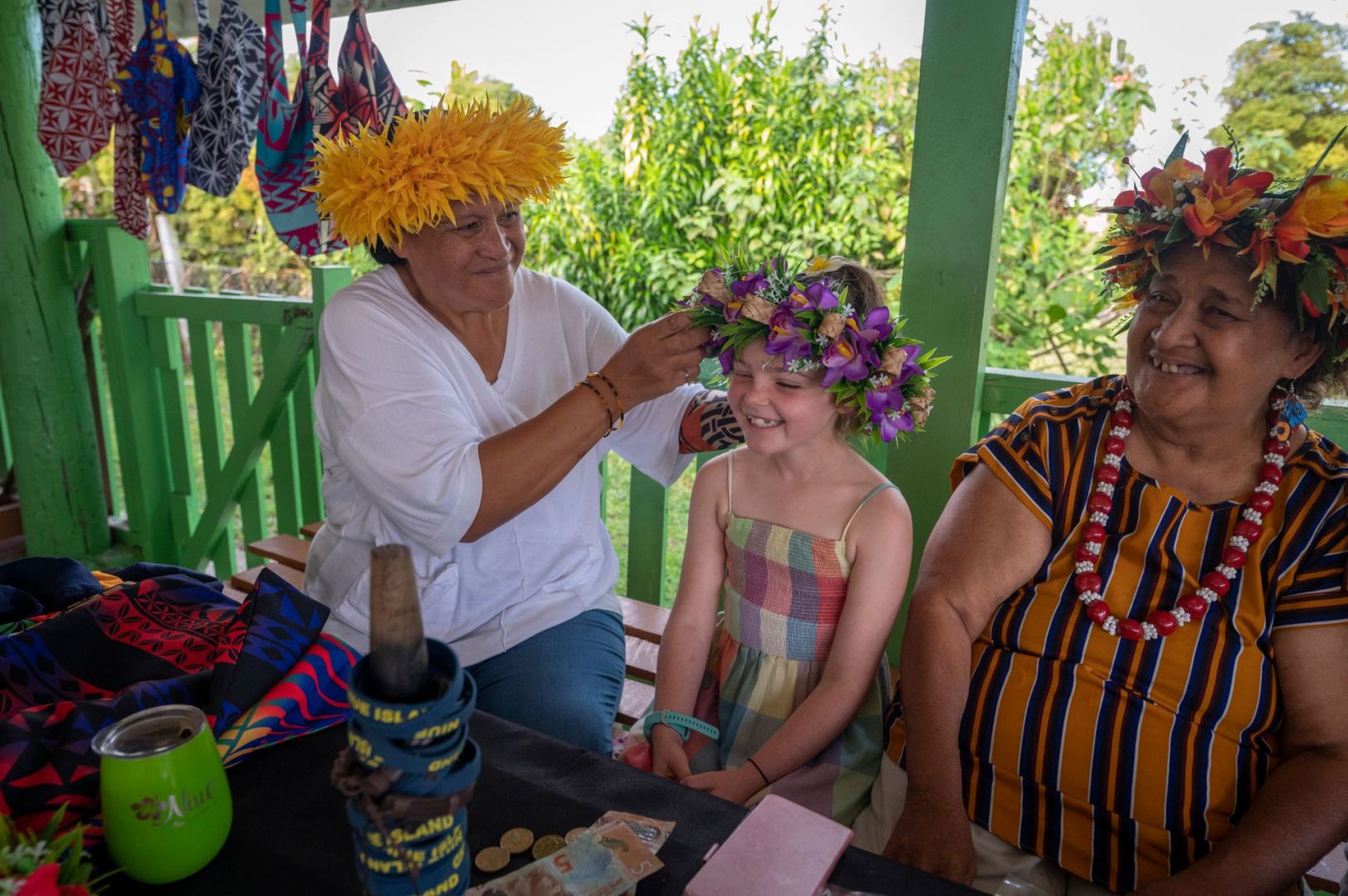
Connect with our culture. Our community is warm and welcoming, and happy to share our culture and customs with visitors. Visit the Alofi market, join a village show day, attend a church service on Sundays or visit Taoga Niue Museum.
For a longer list, see our insider tips for things to do in Niue or browse everything on our See & Do page.
Where to stay in Niue
Niue has a small but varied choice of places to stay, from a resort to self-catering cottages, guesthouses and family homes, many of which are a part of our Niue Tourism Accreditation Programme for quality assurance. This means you can book with confidence knowing that your stay will be clean, comfortable and overall positive.
- Resort: a full-service traditional resort with ocean views
- Self-catering: cottages, villas and apartments with kitchen facilities
- Economy: guesthouses and motels for simple, friendly stays
- Other: properties that have not yet been accredited, but other unique stays
Browse the full list on our Niue accommodation page or see our holiday specials for packages from New Zealand and Australia.
Travelling with children? Read our guide to family holidays in Niue.
Eating and drinking
Niue has a growing mix of eateries, from cliffside cafes to humble restaurants, each offering a variety of cuisine, including more traditional dishes to European-inspired plates.
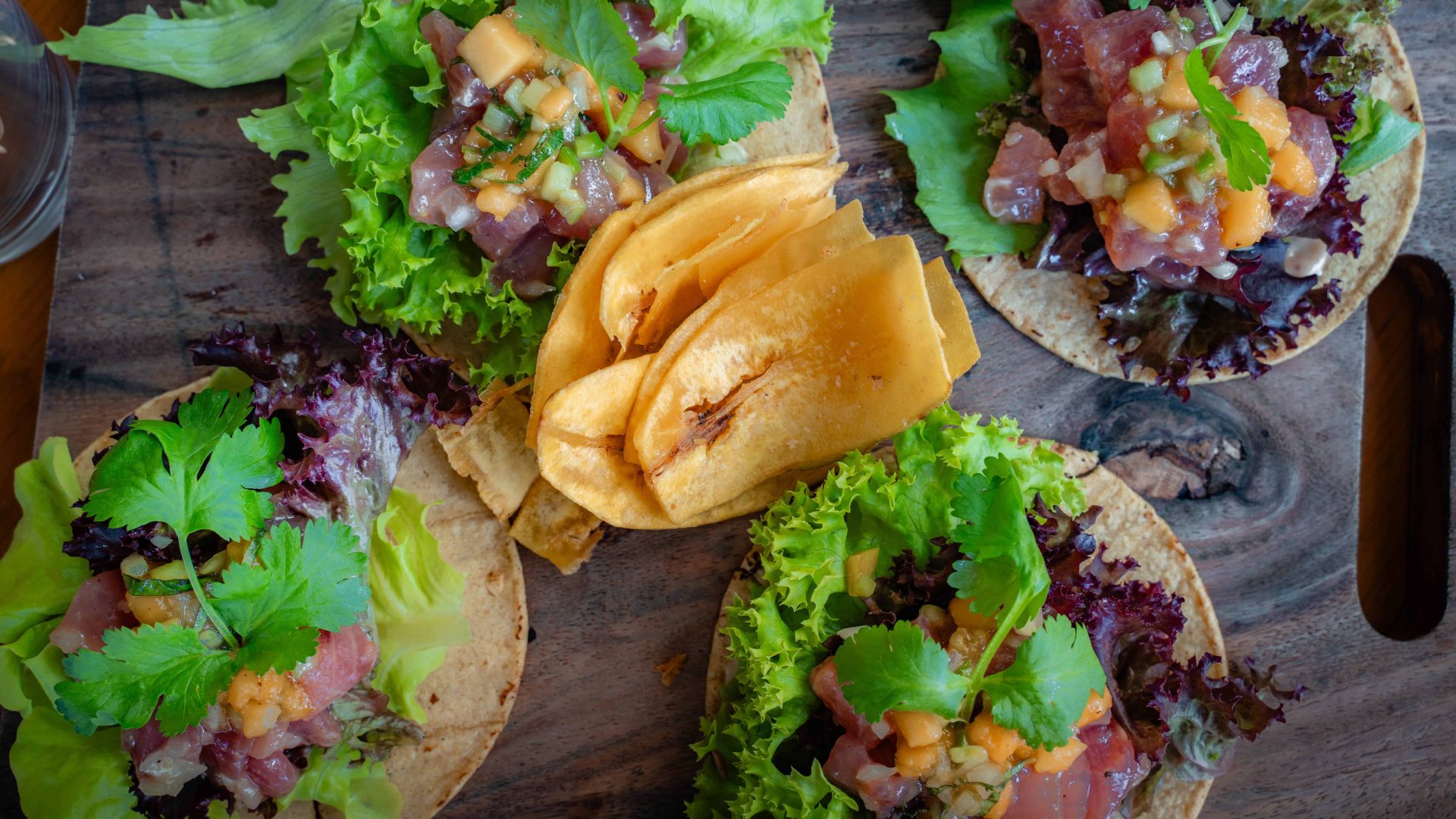
Try a morning coffee with whale views at Crazy Uga Cafe, tasty takihi at Hio Cafe, or the famous Fana Mac burgers on Fridays. If you are adventurous, you can also sample uga (coconut crab) on a guided hunting tour.
See our eating and drinking page for more.
Getting around Niue
The way to see the island is by rental car as there is no public transport and it is a big island (64kms around). With only a few roads, it makes for an easy drive where you’re unlikely to get lost. Visitors can pick up a Niuean driver's licence from the police station in Alofi with a valid overseas licence, which takes only a few minutes and makes a unique souvenir. You can also explore by bike or on a guided tour.
Find details on our getting around Niue page.
Niuean culture and a little history
Niue was settled by Polynesian voyagers more than a thousand years ago, and our language, crafts, dance and food are an important part of daily life. Captain James Cook sighted the island in 1774, Niue became part of New Zealand's territory in the early 1900s, and in 1974 we became self-governing in free association with New Zealand.
Learn more about our history and people, and pick up a few phrases before you arrive with these 15 essential Niuean words.
Dark Sky Nation and sustainability
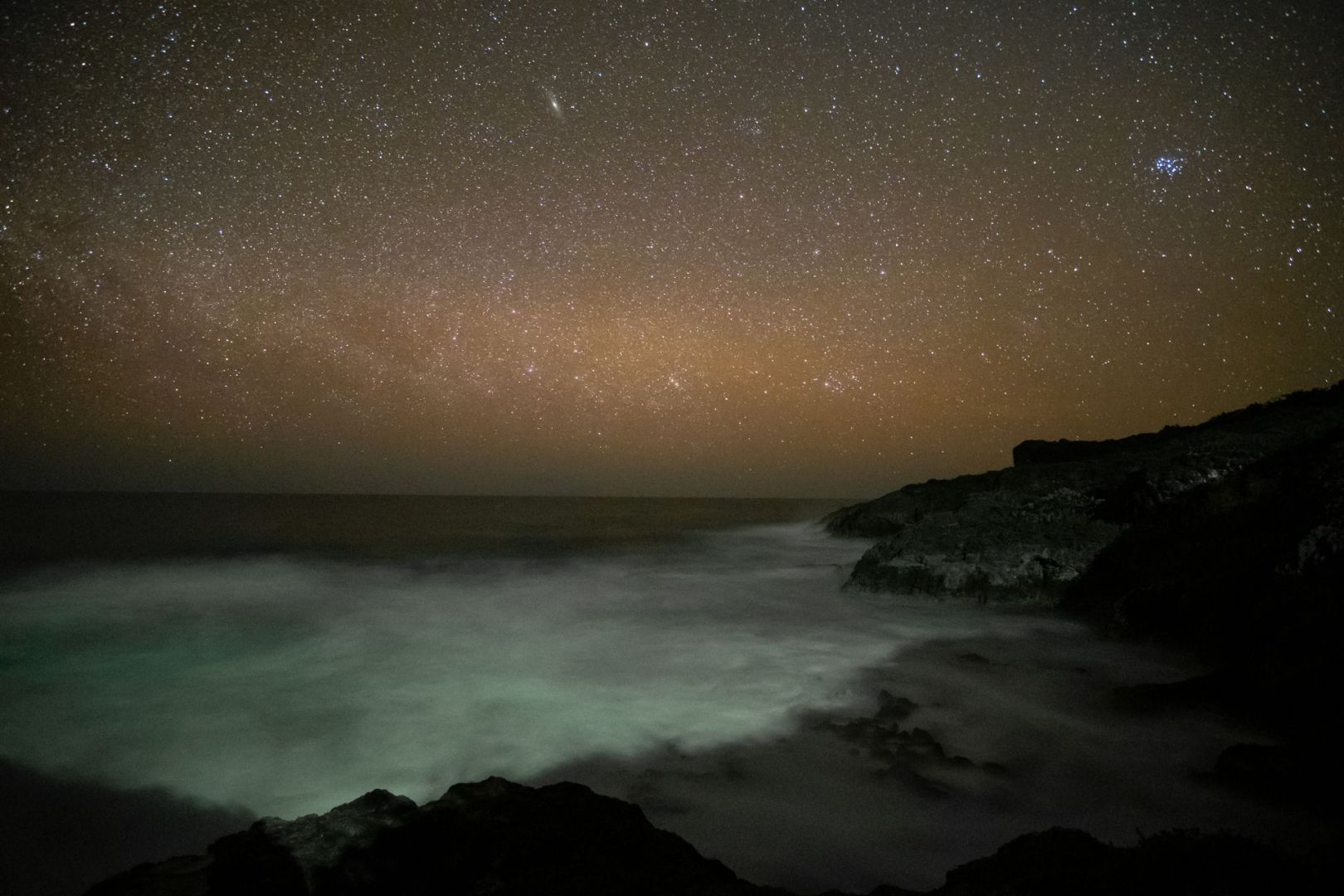
With very little light pollution, Niue has some of the clearest night skies in the world, and we are proud to be the world’s first Dark Sky Nation. We also take care of our land and ocean, so please read about sustainability in Niue and how you can help protect our island while you visit.
Sample itineraries
Whether you have three days or three weeks, our sample itineraries show you how to make the most of your time on Niue.
Frequently asked questions
Where is Niue?
Niue is in the South Pacific, in a triangle formed by Tonga, Samoa and the Cook Islands, around 2,400 kilometres north-east of New Zealand.
How do I get to Niue?
Air New Zealand flies non-stop from Auckland in around 3½ hours. See Travelling to Niue for the latest details.
When is the best time to visit Niue?
Whale season runs from July to October, which is also the drier part of the year. Niue is warm and welcoming year-round.
Can you really swim with whales in Niue?
Yes. Between July and October, you can swim with humpback whales on a guided experience.
Does Niue have sandy beaches?
Not in the traditional sense. Niue is a raised coral island, so our coast is made up of rock pools, caves, chasms and small beaches such as Hio and Tamakautoga.
Is the water safe to drink in Niue?
Yes, Niue's fresh water is perfectly drinkable.
More answers are on our FAQs page.
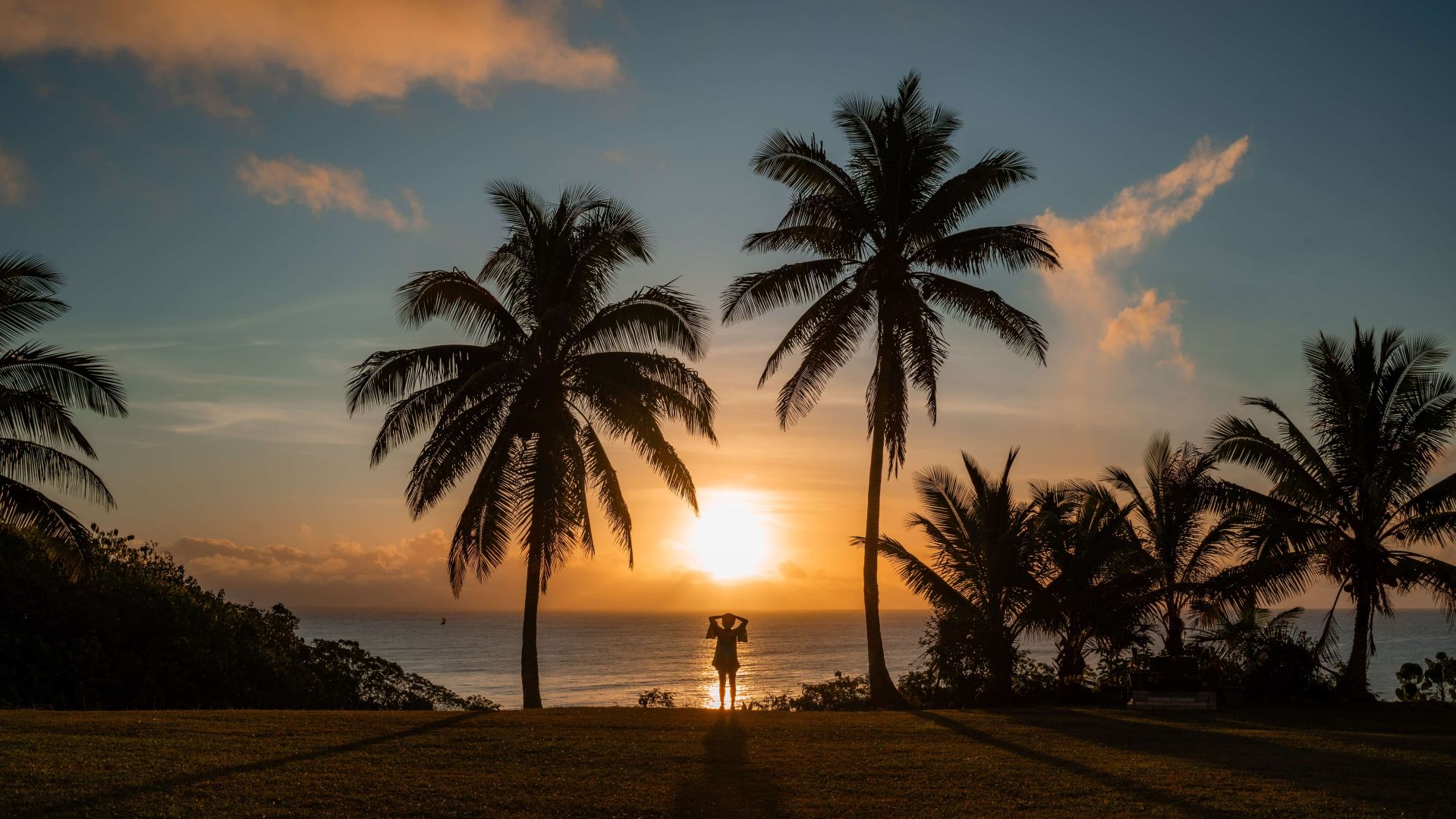
Start planning your Niue holiday
Niue is a South Pacific island unlike any other, and we would love to welcome you. When you are ready, search for flights, choose your Niue accommodation and explore everything there is to see and do.